




Gizil and TGS on Scaling Brownfield Intelligence
Industrial digitalization in brownfield environments rarely fails because of ambition. It struggles because of execution sequencing. When TGS initiated its digitalization roadmap to support modernization of both above-ground and underground assets, the initial internal preference reflected industry norms: a traditional 3D CAD/BIM-centric digital twin approach.
This was understandable. CAD/BIM workflows are deeply embedded in engineering practice and widely recognized as the standard path toward digital twins. However, Saturno presented a different reality.

The Brownfield Constraint
Conventional CAD/BIM modeling in brownfield environments is:
- Resource-intensive
- Time-consuming
- Cost-heavy
- Especially complex when integrating underground utilities and dense piping networks
With a tight plant timeline and imminent brownfield changes ahead, a CAD-first strategy carried risk:
- Delayed tactical decision-making
- Slower operational readiness
- Misalignment between project urgency and modeling effort
The challenge was not whether to digitalize. It was how to do so practically, rapidly, and in a scalable way while remaining aligned with TGS’ broader corporate digital strategy.
A Data-First Alternative
Instead of starting with heavy modeling, Gizil proposed a different sequence:
Data foundation before software.
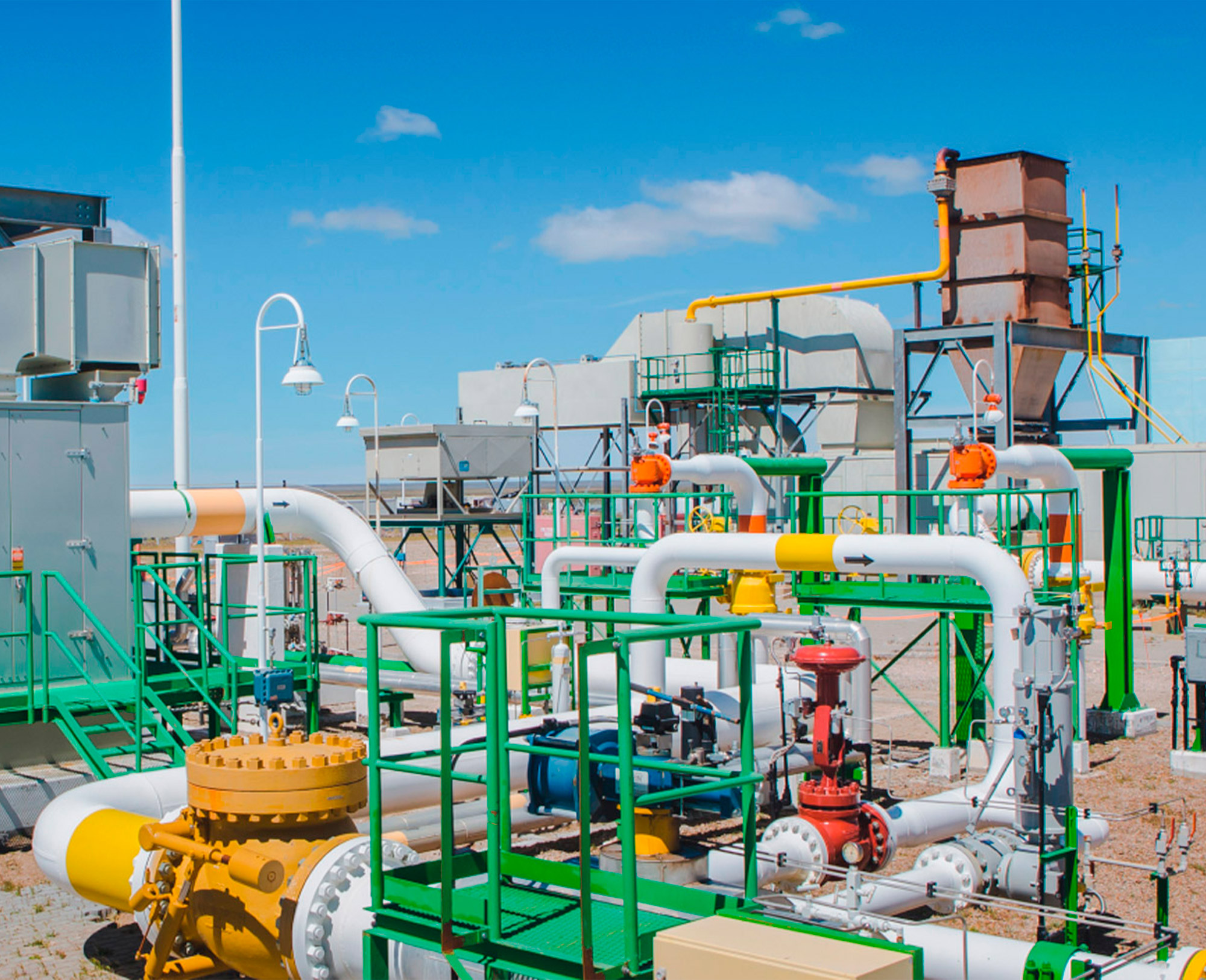
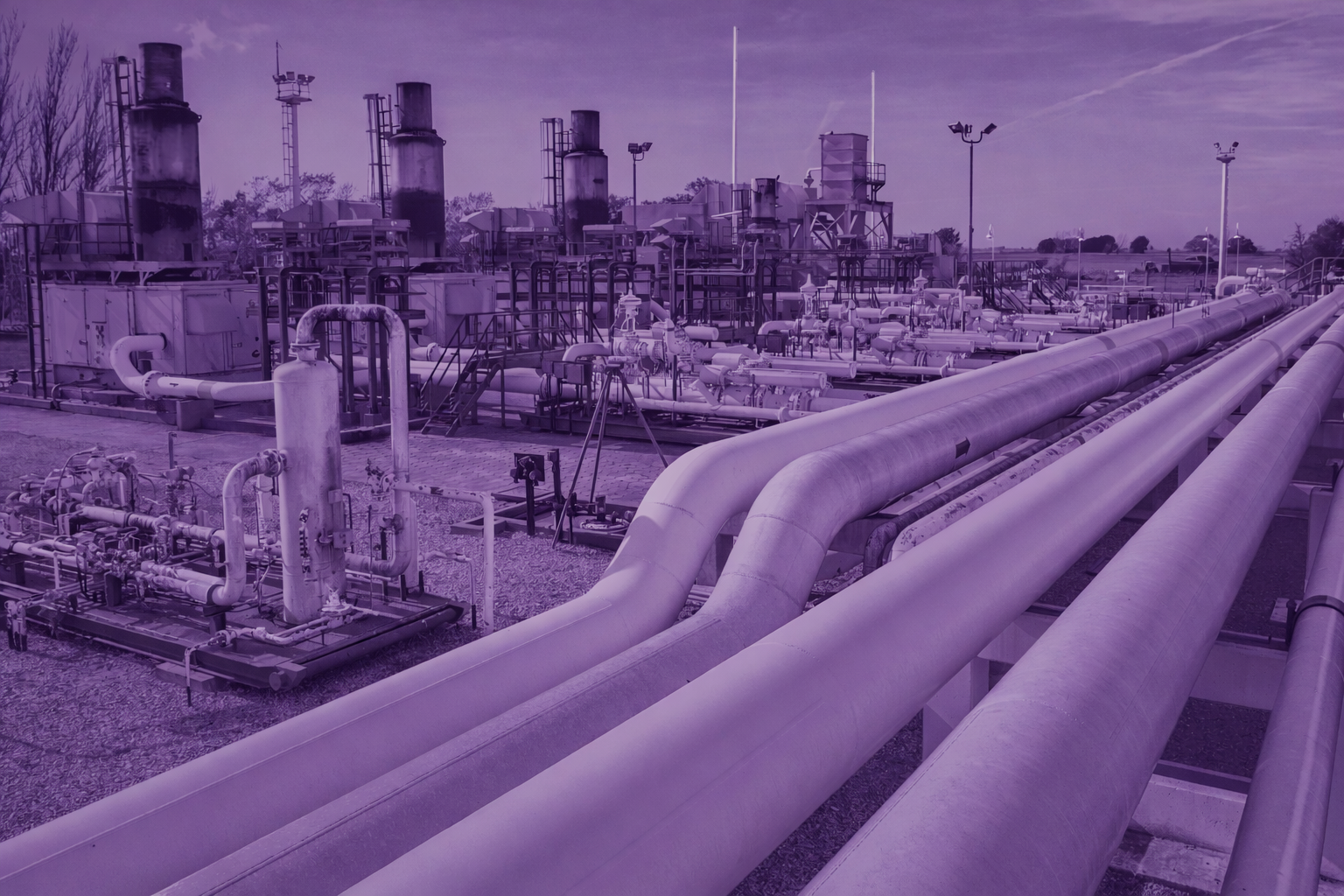
For the Saturno site, we implemented a scan-based Virtual Plant approach designed to generate a high-fidelity as-built environment without extensive upfront CAD reconstruction.
The implementation included:
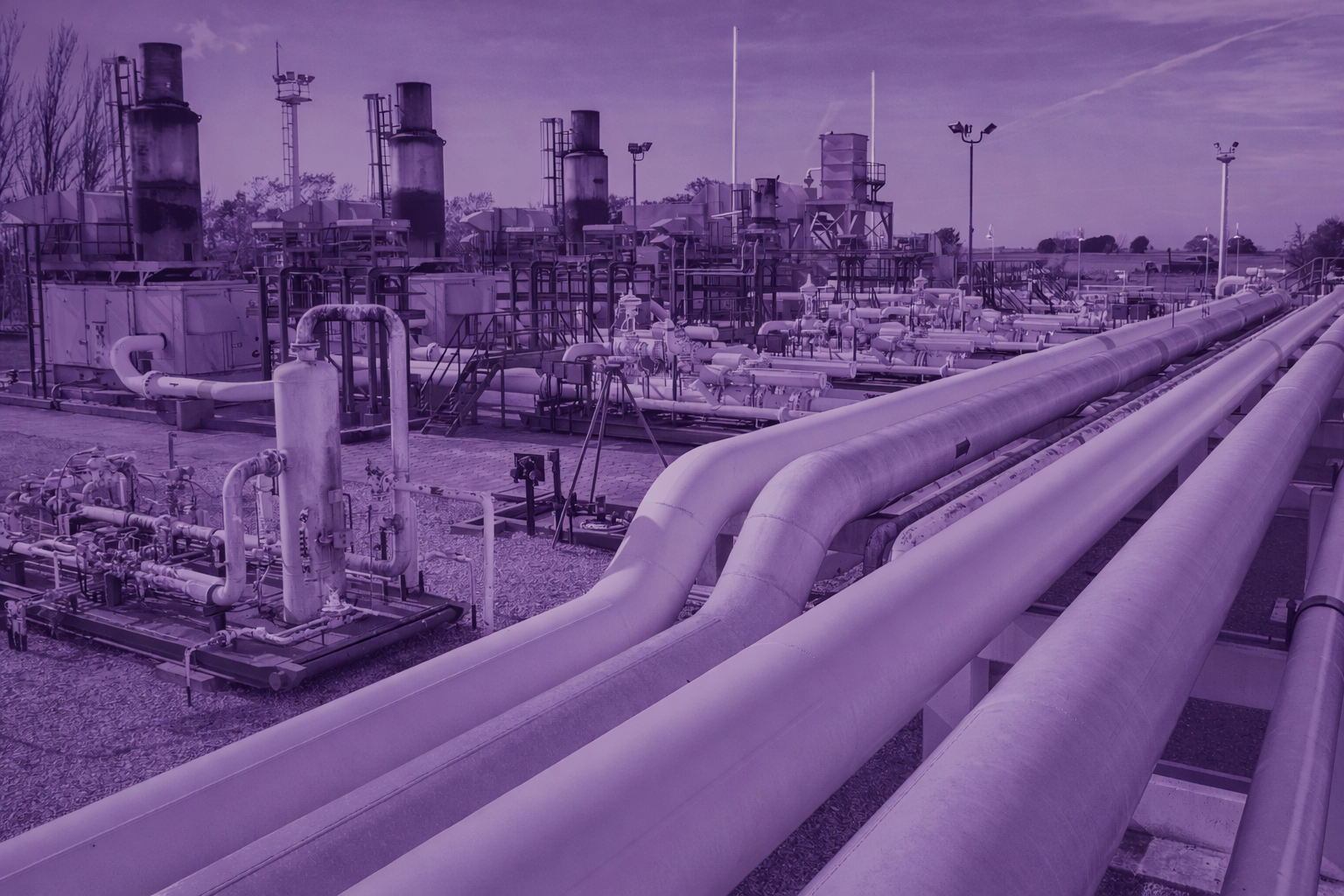
- Terrestrial laser scanning for above-ground capture
- GPR data integration for underground conditions
- Linking of P&IDs to spatial elements
- Population of a structured, metadata-driven environment
The Virtual Plant sits on top of this data layer and supports interoperability with enterprise systems, creating a practical and operationally usable digital twin. This approach did not reject CAD/BIM; it repositioned it. The focus shifted from model-first to data-first, enabling earlier value realization.

From CAD-Centric to Data-Centric Digital Twin
By adopting the Virtual Plant approach, TGS moved beyond traditional CAD/BIM discussions and implemented a digital twin that is:
- Significantly faster to deploy
- More cost-efficient
- Immediately usable for engineering and operational teams
The Saturno implementation now delivers essential spatial intelligence for ongoing brownfield planning and operations. More importantly, it provides a scalable template for future sites by aligning tactical execution with TGS’ broader digitalization roadmap. This is where Proof of Value becomes strategic.
Not a demonstration. A foundation.
User Perspective: Operational Reality
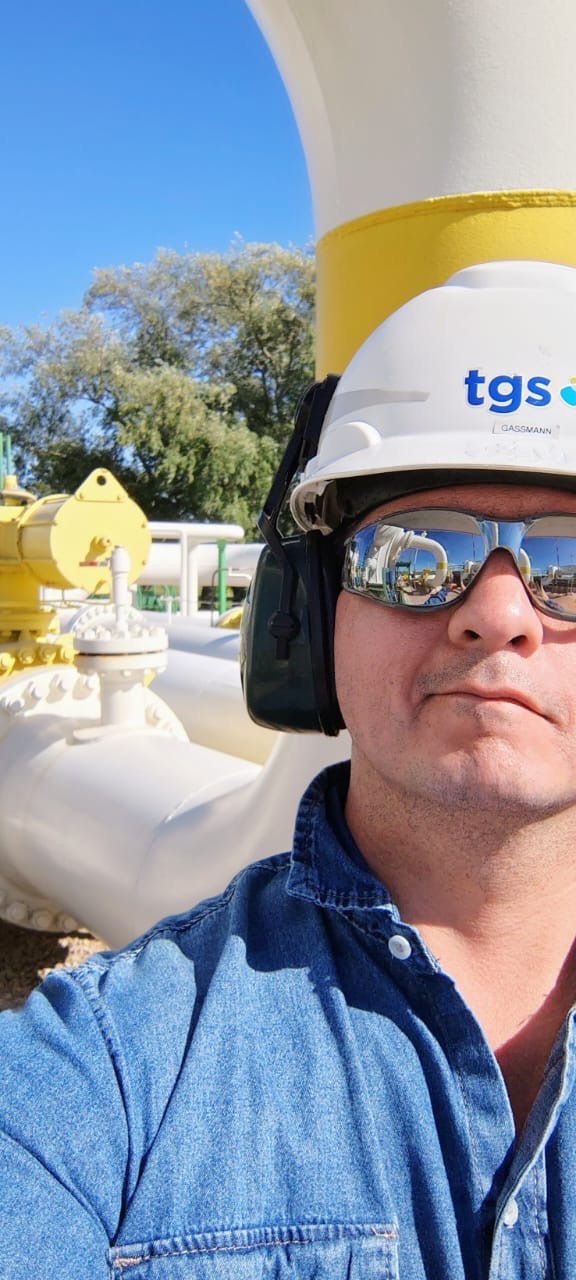
“My experience as administrator and editor of the digital twin of the Saturn Plant, using the Virtual Plant platform, has been very positive. The tool offers robust interoperability and an intuitive work environment, making it easy to navigate, edit, and manage the digital model end-to-end. Throughout the process, we were able to incorporate additional documentation beyond the initial scope and associate previously orphan entities to the project, strengthening the completeness and coherence of the digital twin. Document registration and linking is agile and does not require long processing times, allowing us to keep technical information efficiently updated. It will be of great contribution to integrate the twin with the GIS system to connect it with the current network infrastructure.”
Brownfield Intelligence Before AI
Industrial AI is accelerating globally. But in brownfield environments, value does not begin with algorithms. It begins with structured, contextualized, accessible plant information. By shifting from a CAD-centric workflow to a data-centric digital twin, TGS:
- Achieves early digitalization benefits
- Enhances tactical decision support
- Establishes a scalable intelligence foundation
- Aligns site-level execution with corporate strategy
This is how Proof of Value transitions into plant-wide impact. Not through heavier models. Through smarter sequencing.