




In distributed industrial operations, the real challenge is not just managing assets; it’s managing change across distance.
For gas infrastructure operators like Fluxys, this means ensuring that every Management of Change (MoC) decision is:
- informed
- consistent
- and grounded in reality
Across multiple stations.
The Challenge: MoC Beyond the Physical Site
Traditionally, MoC in multi-site environments depends heavily on:
- fragmented engineering documentation
- local, experience-based knowledge
- and repeated site visits for validation
This creates a structural limitation:
You often need to be physically present to confidently understand what is already there.
The Shift: Building a Reliable Digital Foundation
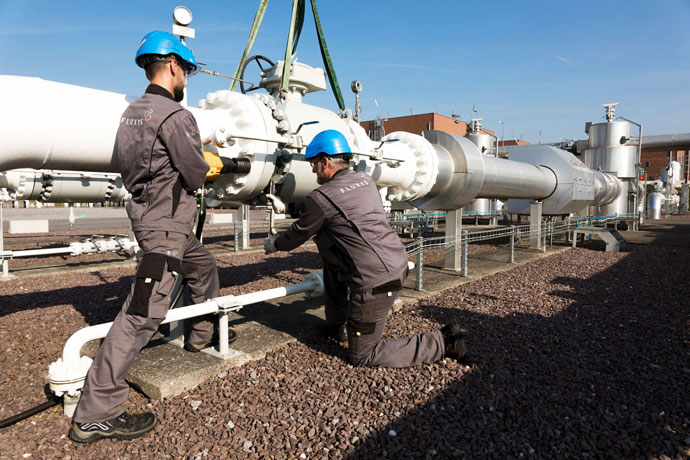
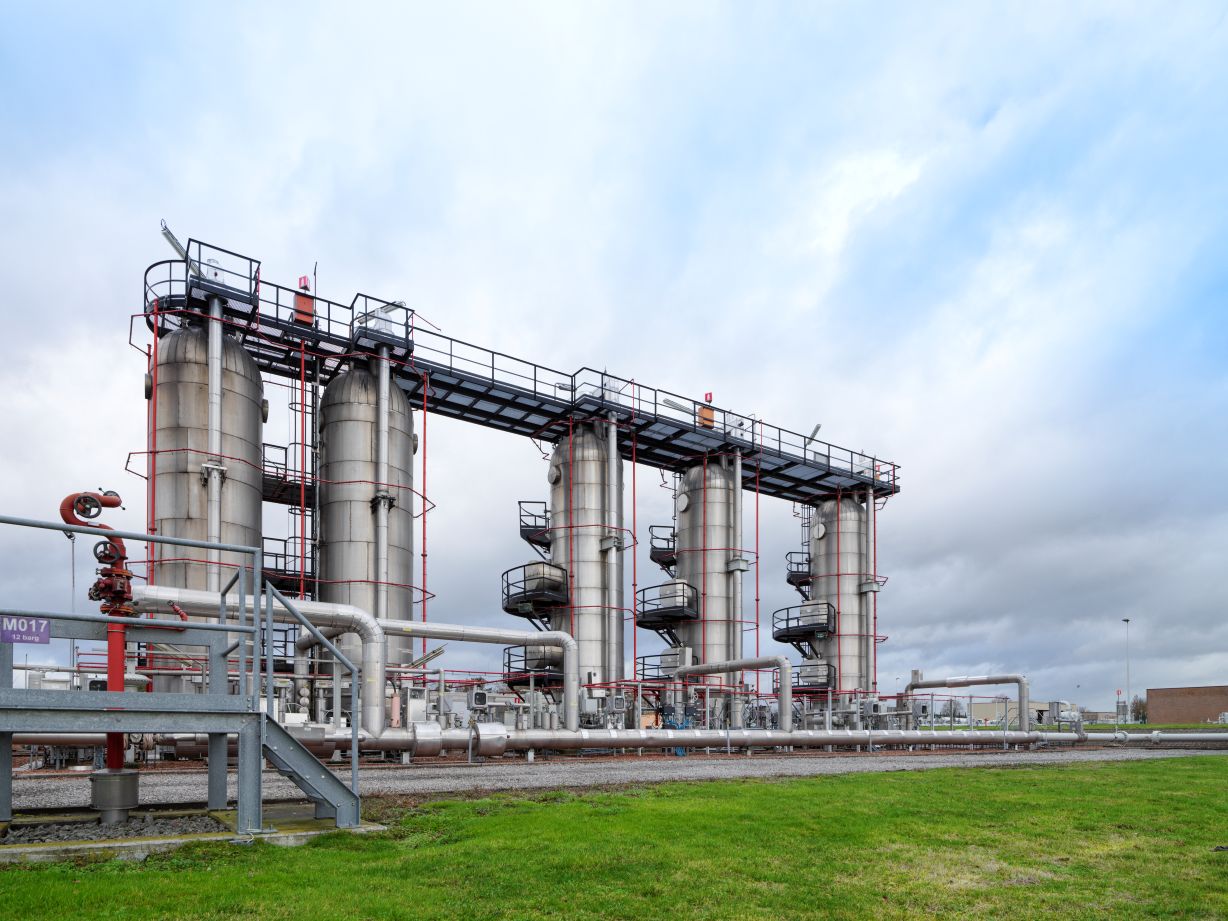
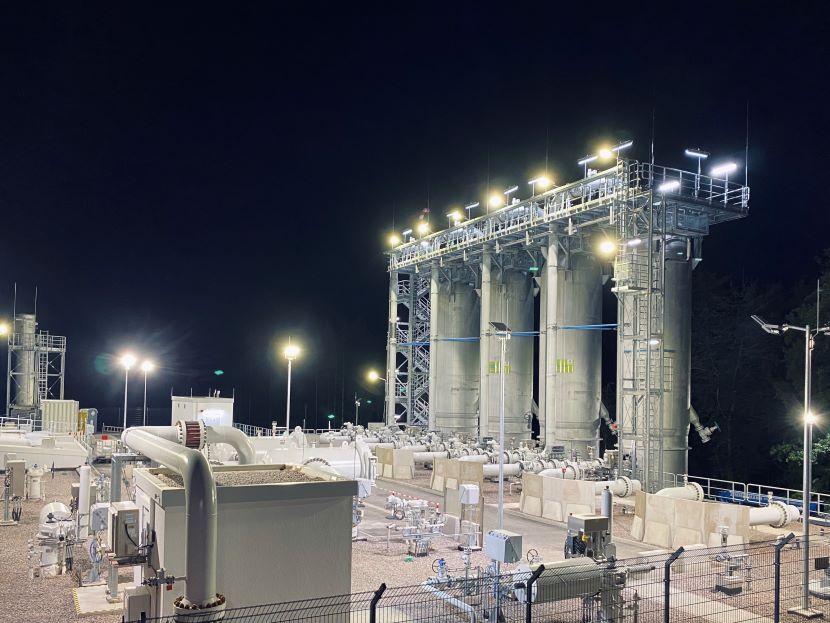
At the Les Awirs Gas Station, the approach was simple, but transformative.
Within a very short timeframe, a complete Virtual Plant was established, including:
- Site survey & high-resolution 3D point cloud capture
- P&ID verification and digitization aligned with real conditions
- Structuring of approximately 200 assets into a connected digital environment
- Deployment of the Virtual Plant SaaS platform
In less than two weeks, the system was ready to use.
Immediate Impact on MoC
With a structured and visual digital foundation in place:
- MoC preparation no longer starts from scratch
- Site visits are no longer the default requirement
- Teams can access, review, and align remotely
And most importantly:
Users were able to navigate and extract value almost instantly, even before formal training.
What Changed in Practice
- Less travel, more focus → Teams spend less time going to sites just to verify conditions
- Faster decision cycles → Information is structured, accessible, and aligned
- Improved operational efficiency → Reduced dependency on manual validation and individual knowledge
- Confidence in remote collaboration → A shared, visual, and verified reference point across stakeholders
Beyond One Site: A Scalable Approach Under Evaluation
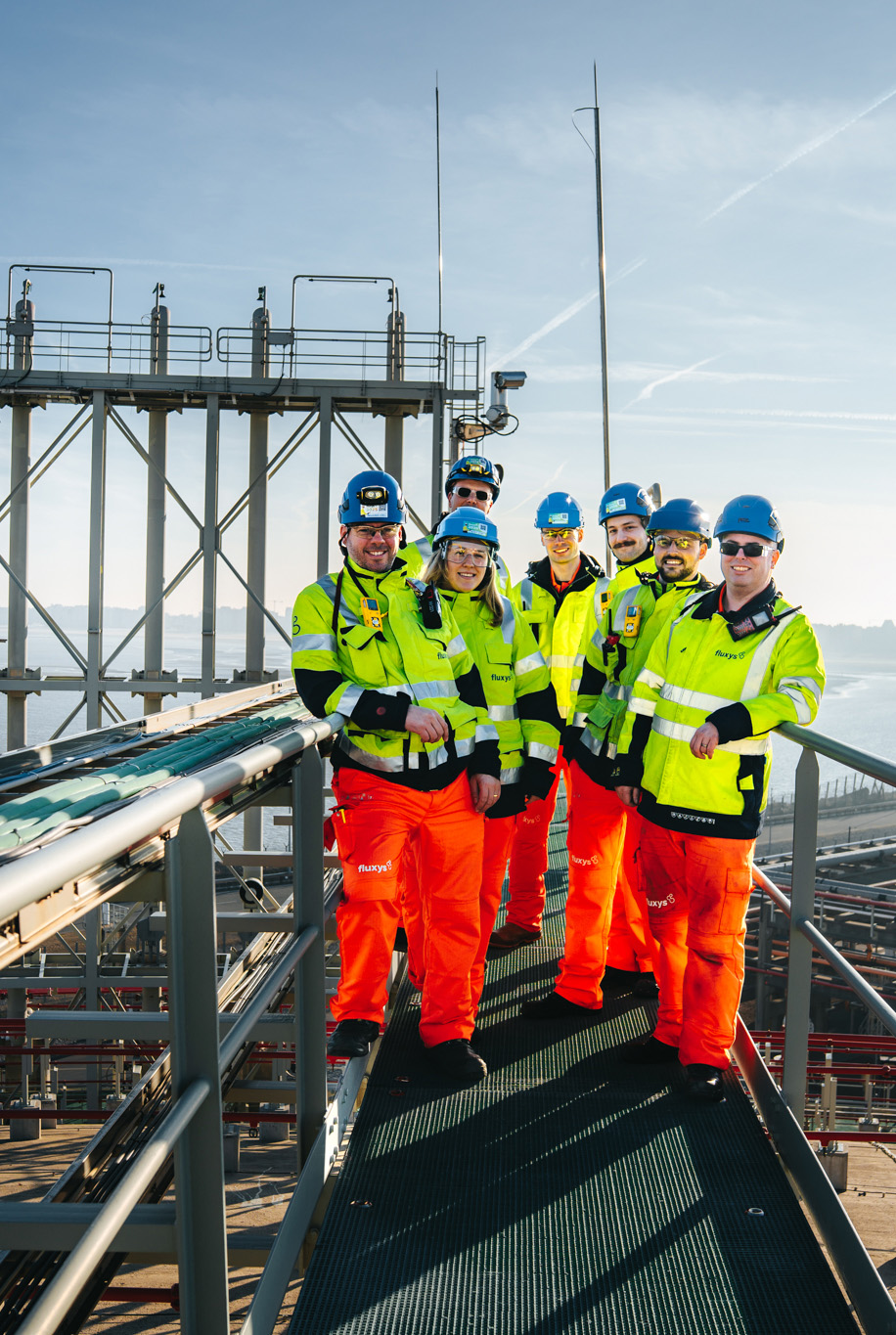
While the Les Awirs project was initiated as a local proof-of-value at a single site, Fluxys is currently gathering feedback from internal stakeholders to evaluate the results and assess the potential for broader application across its network.
This is about creating a spatial data infrastructure layer for industrial and energy assets.
A foundation where:
- physical environments are digitized and structured
- engineering data is verified and connected
- and assets become contextualized, not just recorded
Why This Matters Now
As the industry moves toward AI, automation, and advanced analytics, one gap remains critical:
Systems cannot scale if they don’t understand the physical world they operate in.
The Virtual Plant approach addresses exactly this gap; enabling both humans and machines to interact with real-world environments with clarity, context, and confidence.
From Proof of Value to a New Operational Standard
What we see is not just improved efficiency in MoC.
We see the early foundation of:
- scalable digital operations
- consistent governance across sites
- and AI-ready industrial environments