




Digitalizing Critical Water Infrastructure: Why Reliable Asset Intelligence Must Come Before Modernization
Across Europe, water and wastewater operators are entering a new era of transformation. The challenge is no longer simply operating treatment plants. Utilities are now expected to simultaneously modernize ageing infrastructure, comply with increasingly stringent environmental regulations, improve resilience against climate change, optimize operational efficiency, and prepare for future digital technologies.
Yet many organizations face the same fundamental question: How can you modernize infrastructure when you cannot fully trust the information describing it? This is where digital transformation must begin.
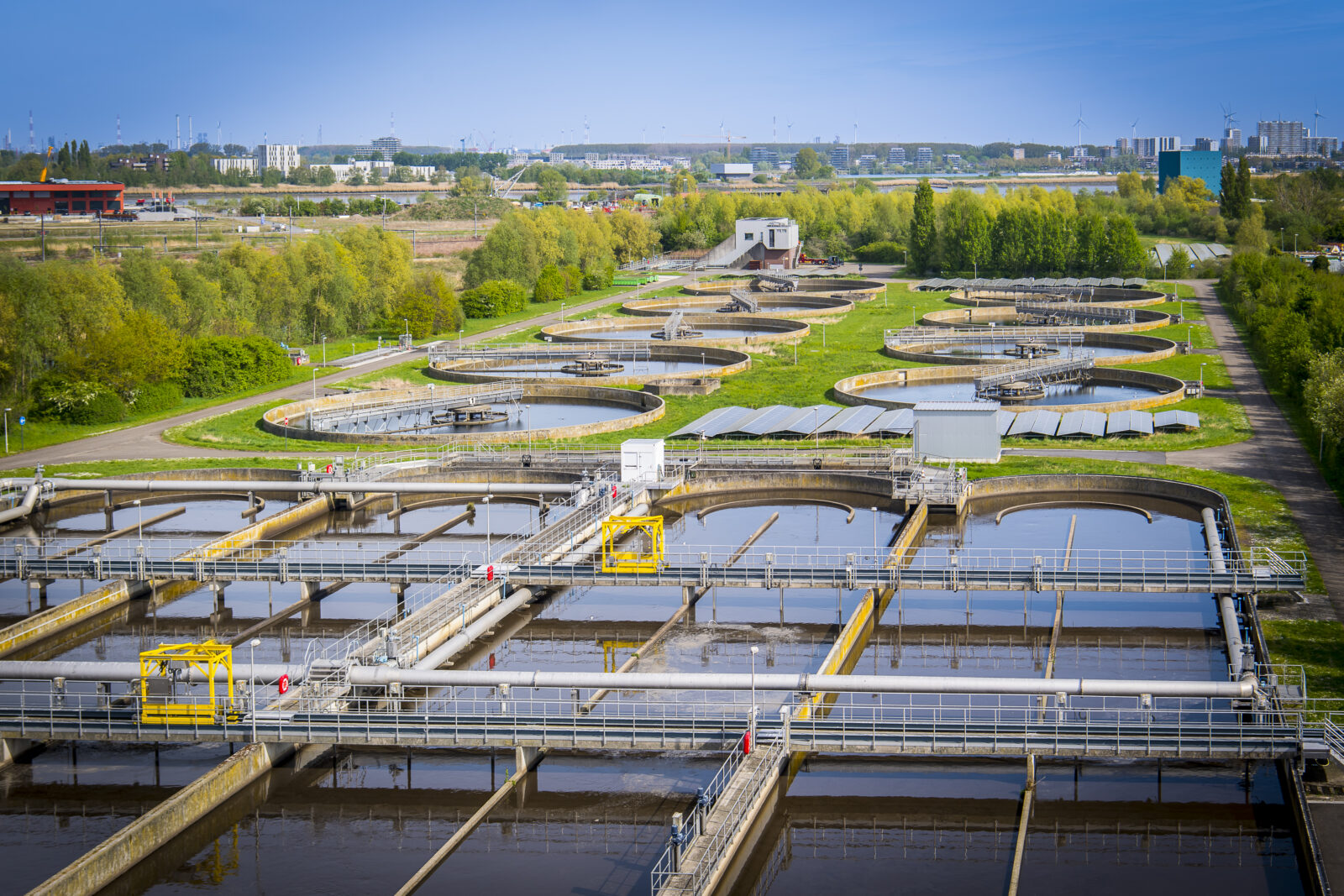
At Gizil, we recently supported one of Europe's most advanced wastewater operators, Aquafin, in establishing a reliable digital baseline for a wastewater treatment facility in Belgium. The project demonstrates an increasingly important reality for critical infrastructure operators: Before AI, before predictive maintenance, before digital twins, there must be trusted infrastructure intelligence.
The Growing Pressure on Europe's Water Sector
Water utilities are facing unprecedented challenges. Across Europe, much of the wastewater infrastructure was designed decades ago and has been continuously modified, expanded, repaired, and upgraded over many years. As a result, engineering documentation often no longer fully reflects field reality. At the same time, operators must prepare for new regulatory requirements.
The revised EU Urban Wastewater Treatment Directive entered into force in 2025 and introduces stricter requirements regarding wastewater treatment, micropollutant removal, environmental monitoring, energy efficiency, and long-term infrastructure compliance. Member States are expected to transpose the directive into national legislation by 2027. New treatment stages and additional environmental obligations will require substantial investment and modernization efforts across Europe. In addition, utilities must continue supporting the objectives of the Water Framework Directive, climate adaptation strategies, flood resilience programs, and circular economy initiatives.
These challenges create a simple but critical requirement: Operators need accurate, accessible, and validated infrastructure data before they can effectively plan future investments.
The Hidden Challenge: Infrastructure Knowledge Gaps
When organizations begin modernization programs, they often discover an unexpected obstacle. The biggest challenge is not technology. The biggest challenge is information quality.
Aquafin Project: Creating the Digital Baseline
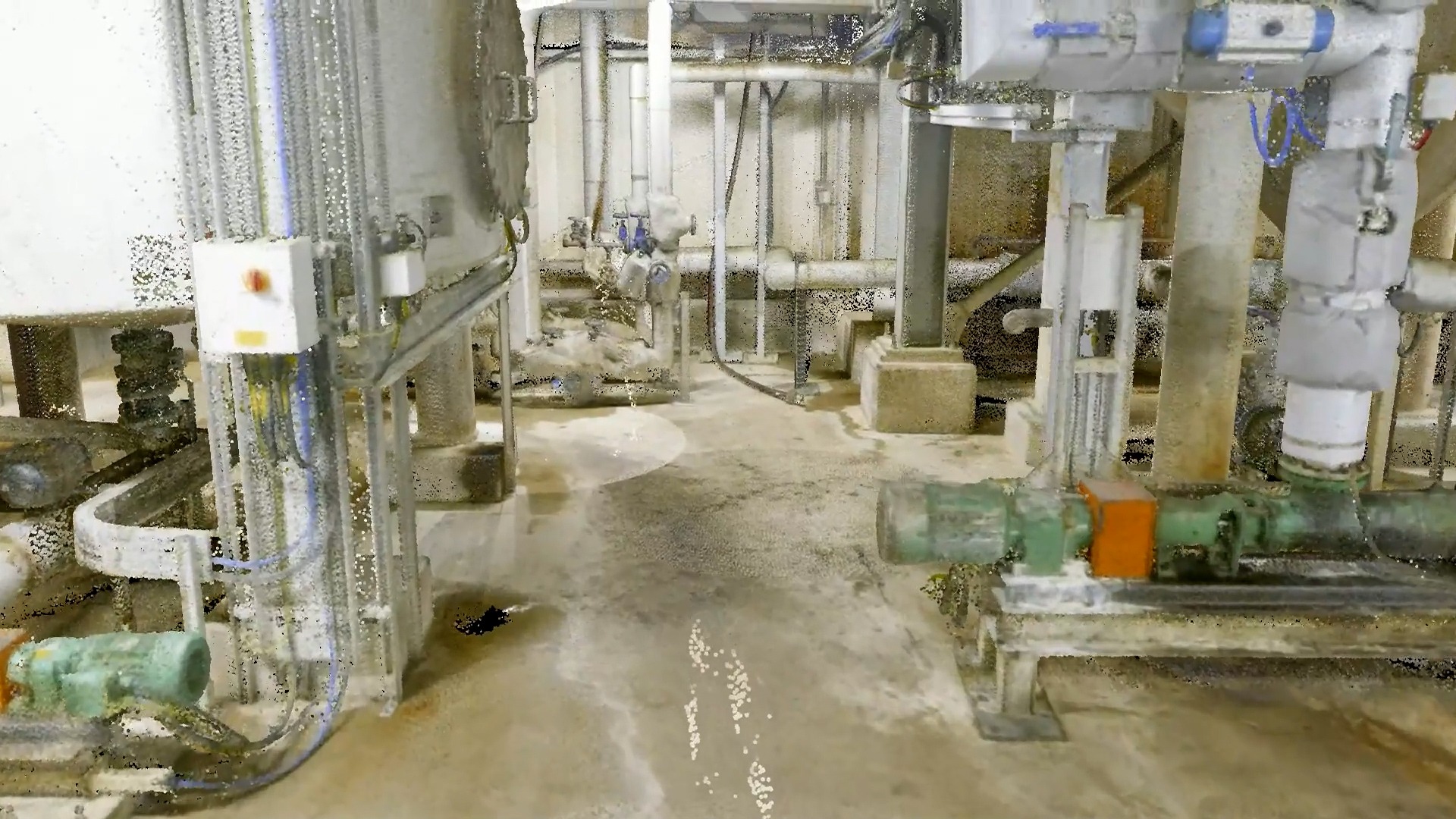
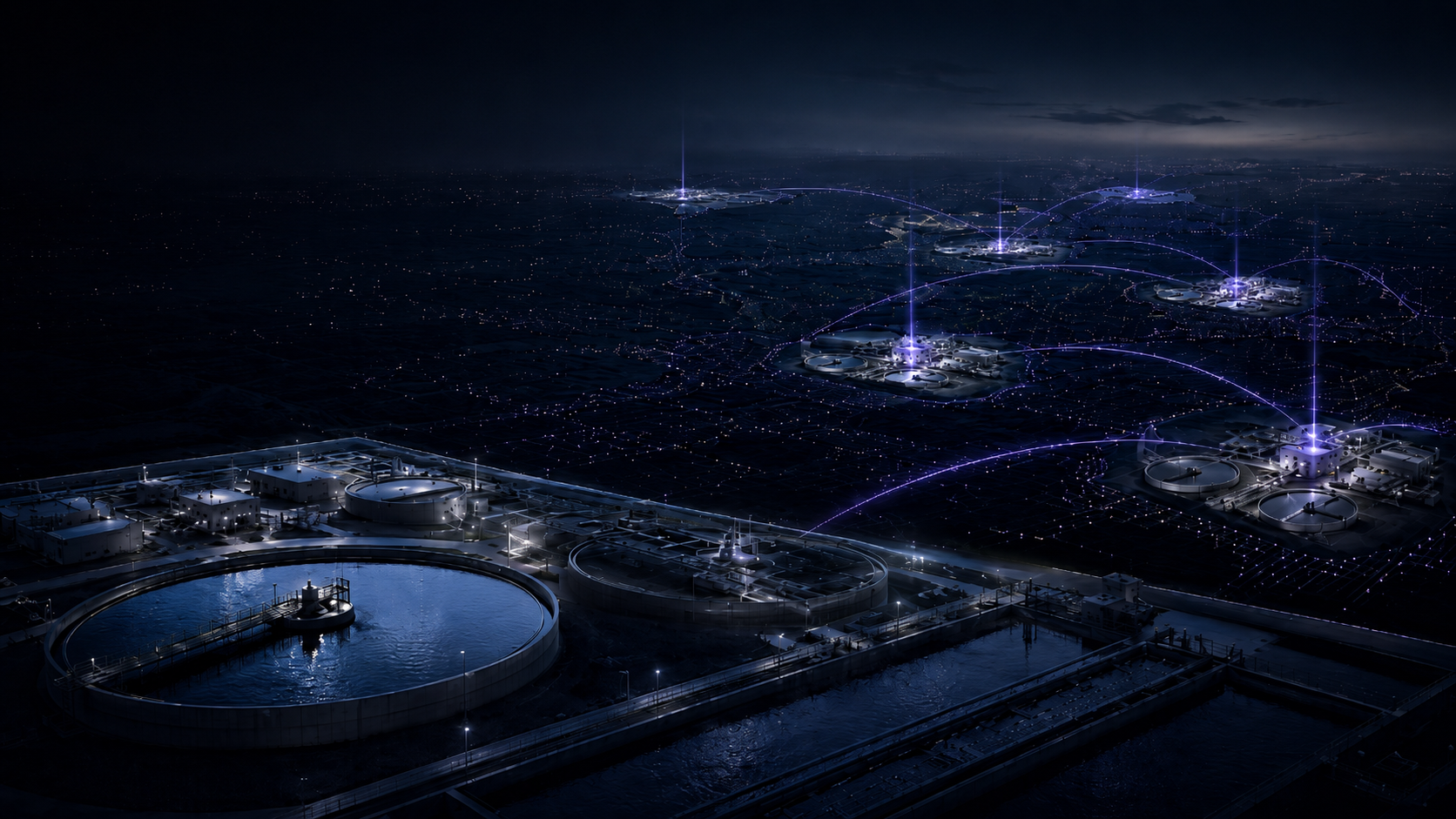
Our engagement with Aquafin focused on establishing exactly that foundation. Rather than starting with complex modeling or software deployment, the project began where successful digitalization always begins. The facility was surveyed and documented using advanced reality capture technologies to establish a current representation of the site. Existing engineering information was compared against field conditions to identify discrepancies and ensure that future decisions could be based on verified information. Process documentation was transformed into structured, searchable engineering information connected to physical assets. Validated infrastructure information was consolidated into a single digital environment, creating the foundation for future operational and engineering use cases. This approach enables organizations to establish a trusted digital baseline before pursuing broader digital transformation initiatives.

About the Project
The Aquafin project represents the first phase of a broader digitalization journey focused on creating a validated infrastructure baseline through Site Walkdown, As-Built Verification, and Smart P&ID implementation. At Gizil, we call this approach Brownfield Infrastructure Intelligence. A practical, engineering-driven pathway that helps operators transform existing facilities into trusted digital assets without waiting for large-scale transformation programs or costly modeling projects. The first step toward digital transformation is not a digital twin.